Private Label Abaya Supplier: 7 Essential Selection Checks
A private label abaya supplier should be selected against your actual buying model: branding existing garments, modifying a style or developing an original design. Compare samples, service scope, quantity requirements and quotation details before choosing. A supplier suitable for one route may have different terms for another.
For boutiques and growing brands, the goal is a repeatable product and a clear approval process. Tara Garment can review existing-style branding enquiries and separate custom-development proposals. The final offer depends on the styles, materials and quantities requested.
Review whether Tara fits your project: Send your buying model, styles and quantities to [email protected], or WhatsApp +86 133 9237 1667.
1. Confirm the private label abaya supplier service scope
Ask whether the supplier provides existing products, label attachment, packaging, sourcing or original pattern development. Record what you need instead of assuming that “private label” includes every service.
A label change normally retains the existing garment design. New sleeves, panels or fabric can create a different development project. Distinguishing these tasks early makes the sample and commercial discussion more useful.
2. Review products relevant to your customer
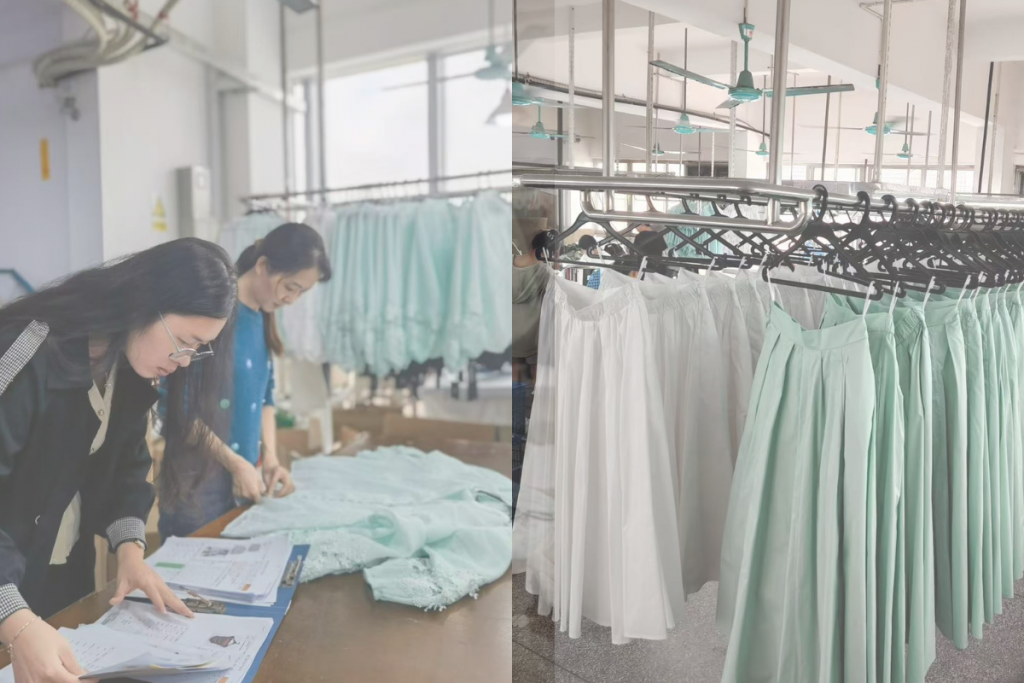
Ask for measurements, material details and authorized images for the styles under consideration. Do not judge capability only from the number of photographs in a catalog. Review an actual product or development sample where appropriate.
Check the details important to your range: coverage, pockets, closures, seams, lining and decoration. Respect confidentiality where a supplier produces original customer designs. Your own sample provides more relevant evidence than another brand’s protected files.
3. Clarify quantities by buying route
For existing products, ask about current stock, permitted assortment and branding-service minimums. Submit the quantity per style, color and size. Do not assume a collection total gives approval for every proposed combination.
For original custom production, the standard working MOQ is 100 pieces per style and color; selected startup projects may be reviewed at 50. Twenty or thirty custom pieces per design are not our standard production offer. Supplier material minimums can also affect feasibility.
Discuss sample and quality requirements: Send the product details you need checked to [email protected], or WhatsApp +86 133 9237 1667.
4. Check material documentation accurately
If you need a particular certification, ask for evidence covering the offered material or garment. Verify scope and identity rather than accepting a logo in a presentation.
The official OEKO-TEX STANDARD 100 overview explains its harmful-substance testing focus. It should not be presented as a factory social-audit report or as proof of every component without checking coverage. Tara does not imply certification through this reference.
5. Compare the full quotation
Establish the garment specification, included accessories, branding work, packaging and any separate setup costs. Confirm currency, payment terms and validity. Sample shipping and bulk freight may be separate.
For delivery responsibilities, ICC’s Incoterms resources provide background on trade terms. Agree the actual term and named place in the quotation; a casual “shipping included” statement is not enough to establish the full scope.
Clarify the quotation scope: Share labels, packing and delivery requirements to [email protected], or WhatsApp +86 133 9237 1667.
6. Assess communication through the sample process
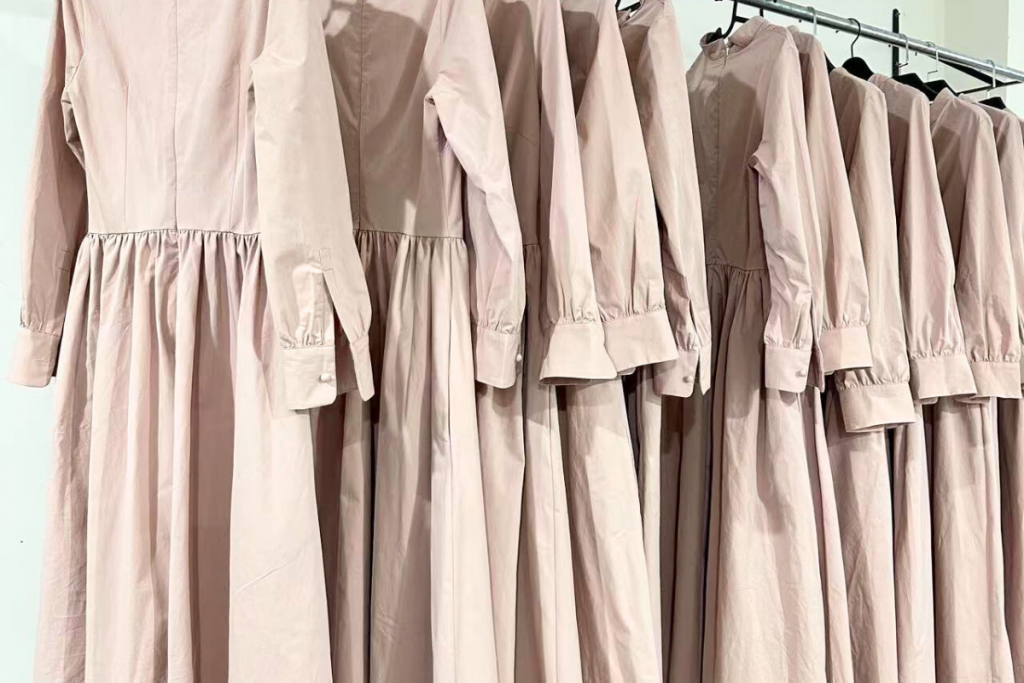
Look for clear questions, recorded approvals and realistic explanations of uncertain details. Agree on the contact person and who is authorized to approve changes. A local agent’s role should be explicit.
Use consolidated feedback rather than several competing instruction lists. A supplier’s ability to follow one agreed specification is easier to evaluate when that specification is complete and current.
7. Establish the repeat-order record
Keep approved samples, material codes, measurements, label artwork and packing instructions together. Before a reorder, reconfirm material and product availability, price and timing.
If a substitution is proposed, review it against the original requirements. Reorders should be linked to the retained reference, not only a photograph or a memorable product name.
| Supplier check | What to confirm |
|---|---|
| Service | Existing branding or original development |
| Product | Relevant sample and specification |
| Quantity | Exact assortment and minimums |
| Evidence | Scope of any requested documentation |
| Quote | Included work and delivery scope |
| Continuity | Approved reference and reorder process |
Frequently asked questions
Does private label mean an original design?
Not necessarily. It may mean existing garments carrying your branding. Original design development is a separate scope.
Can I select a supplier by unit price alone?
Compare the actual product, included services and sample result. Otherwise, prices may describe different offers.
Can Tara provide a video discussion?
We can discuss an appointment to review the project and relevant work. Share the requirements and preferred timing first.
Choose a workable supply arrangement
Contact a private label abaya supplier: Send your priority styles and launch plan to [email protected], or WhatsApp +86 133 9237 1667.