
Abaya Fabric Sourcing: 7 Essential Checks in Guangzhou
Abaya fabric sourcing should begin with the intended garment, not a fabric name alone. For a Guangzhou sourcing trip, bring your designs and reference swatches, then assess opacity, movement, body cling, composition, weight and availability. Confirm the material in a sample before committing to bulk purchases for your collection.
For modestwear brands, a fabric can look elegant on a roll and still behave differently in a long garment. Tara Garment reviews materials against the intended design, including the sleeve construction, coverage, lining and finishing requirements.
Prepare your sourcing brief: Send your abaya references and fabric priorities to [email protected], or WhatsApp +86 133 9237 1667, before your development discussion.
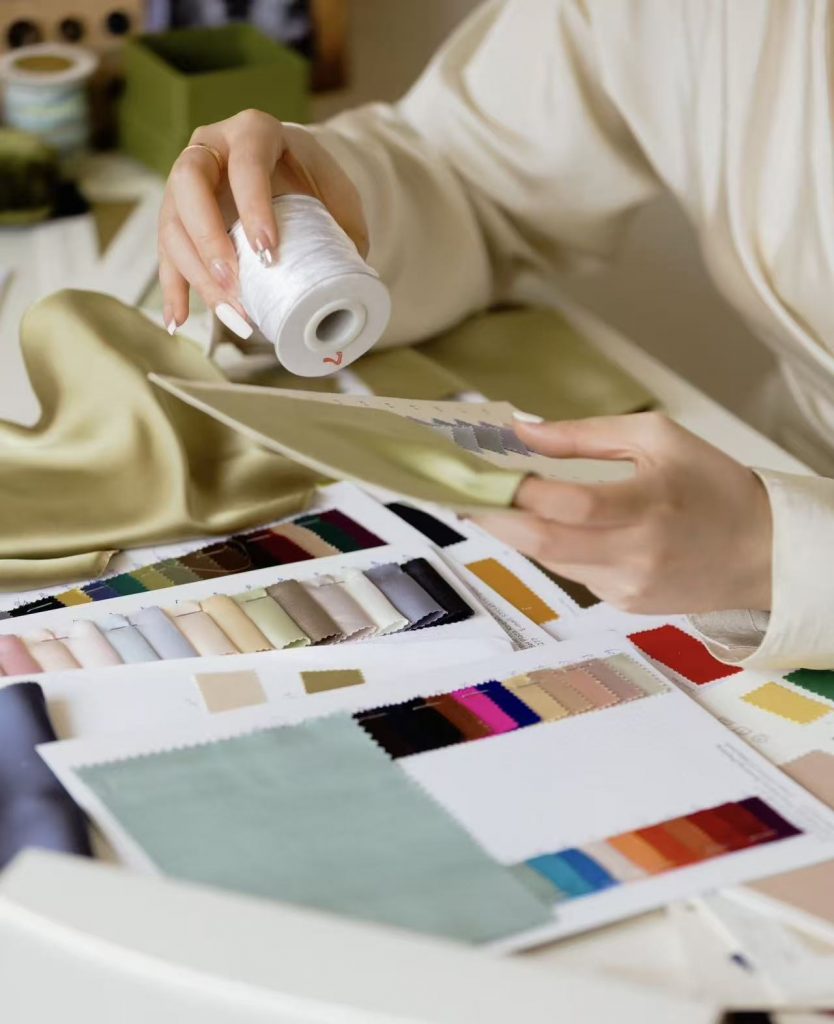
1. Define your abaya fabric sourcing priorities
Explain whether you need a fluid everyday abaya, a structured outer layer or an embellished occasion design. List the requirements that cannot change, such as a matte surface, opacity without a full lining or a particular composition.
Identify the market and intended wearing environment. A request for good coverage and comfortable movement is more useful when linked to a specific silhouette and layering plan. Avoid assuming one material will suit every style in the collection.
2. Bring a reference, but verify the specification
A swatch helps communicate texture and hand feel. Names such as Medina or Nida may help a supplier understand the direction, but ask for the actual composition, approximate GSM, width and finish of the offered material.
Do not assume that “silk” in a commercial name confirms silk fiber content. If composition matters to your brand, obtain the specification for the actual fabric and agree on any verification needed before production.
3. Test coverage in the intended color
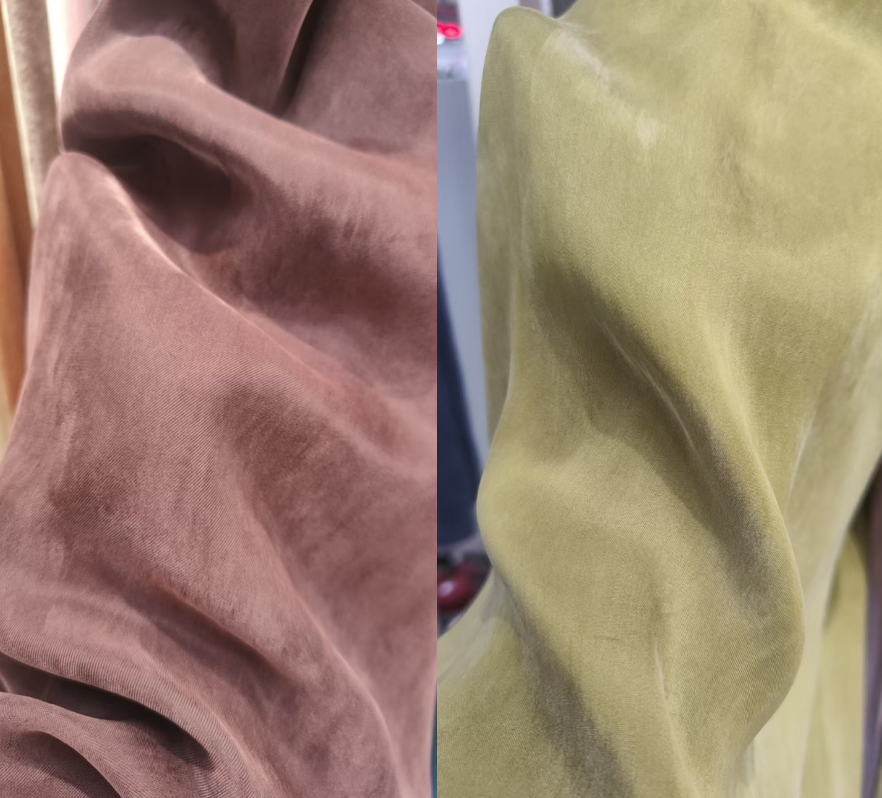
Check the fabric under daylight and strong indoor lighting, against contrasting colors. Inspect a larger piece, including folds and areas where it may stretch or lie close to the body. A dark swatch does not establish opacity for the same fabric in cream or pastel shades.
If lining is proposed, compare both materials together. The combination changes weight, warmth and movement. Confirm whether the whole garment or only specific areas require lining.
4. Check drape and cling separately
A fabric can fall beautifully but still outline the body. Look at how it hangs freely and how it behaves when resting against a layer underneath. Stretch, weight, construction and surface can all influence the result.
If a loose fit is essential, discuss that clearly with the factory. Increasing width may help some designs, but it cannot guarantee that a highly draping material will stop clinging. A sample is needed to assess the complete effect.
Unsure which option suits the silhouette? Email swatch specifications and a reference image, or share a fabric movement video on WhatsApp +86 133 9237 1667.

5. Match the material to construction and decoration
Wide or one-piece sleeves may be constrained by usable width. Layered hems can increase consumption, while embroidery, beadwork and trims can add weight. A delicate fabric may need reinforcement where a closure or decoration is attached.
Before buying sample yardage, ask the factory about consumption and any detail tests. A material that suits the main body may not suit the closure, bodice structure or decorative work without adjustments.
6. Confirm price, stock and reorders
Ask for the price unit, minimum purchase by color, stock quantity and expected delivery. Distinguish a regular stock material from a clearance lot. Check whether the supplier expects to carry the same fabric for a repeat order.
Record supplier contact details, fabric code, color code, specification and the date. Retain a labeled swatch. A material photographed without a code is difficult to identify after you return home.
| Market check | Question to ask |
|---|---|
| Identity | What are the fabric and color codes? |
| Specification | What are composition, GSM and width? |
| Coverage | Does this color need lining? |
| Construction | Can it support the proposed details? |
| Purchase | What unit and minimum apply? |
| Continuity | Is stock available for bulk and reorders? |
Check materials before purchasing: Email your shortlist and planned quantity, or contact Tara Garment on WhatsApp +86 133 9237 1667.
7. Confirm the fabric through sample development
Review the garment when worn, not only laid flat. Check coverage, movement, sleeve proportions, closures and the finish. Discuss wash or other testing according to the proposed material and product requirements.
If the result differs from your concept, identify whether the problem is the material, pattern or construction. Changing fabric can change the silhouette and may require another test. Record the final approval before bulk purchasing and cutting.
Frequently asked questions
Can I source abaya fabric myself during a China trip?
Yes. Bring a design brief, collect traceable swatches and confirm suitability and sample yardage with your manufacturer before buying.
Is a particular GSM enough to confirm opacity?
No. Color, material construction and wearing conditions also affect coverage. Inspect the actual option and finished sample.
Can Tara Garment help after I return home?
We can review your material and development requirements remotely. Keep supplier details and labeled swatches so the proposed fabric can be identified.
Develop your abaya collection with Tara Garment
Turn abaya fabric sourcing into a sample plan: Send your design, swatch details, sample measurements and intended quantities to [email protected], or WhatsApp +86 133 9237 1667. We will review the practical next steps.