First Abaya Order: 7 Steps After the Canton Fair
Your first abaya order after a sourcing trip should start with a clear buying model: ready-made wholesale, branding on existing styles or original custom production. Confirm the actual styles, quantities, sizes and colors before comparing prices. The right route depends on how much development your collection requires and what is available from the supplier.
After meeting exhibitors and visiting factories, it is tempting to combine every attractive option into one launch. A focused selection makes it easier to approve samples, understand costs and coordinate the first shipment.
Discuss your first order: Send your chosen styles or original references to [email protected], or WhatsApp +86 133 9237 1667, with the quantities you are considering.
1. Choose the route for your first abaya order
Ready-made wholesale uses existing garments and available stock. Adding brand labels or packaging introduces separate work and possible purchasing minimums. Original custom manufacturing involves your design, pattern and sample development before bulk production.
Small modifications also need assessment. Changing a label is different from changing the neckline, sleeve or lining. Ask the supplier which changes can be made to an existing style and which require custom production.
| Route | Main confirmation needed |
|---|---|
| Ready-made wholesale | Current style, stock, colors and sizes |
| Branding on existing styles | Label artwork, attachment and packaging |
| Original custom design | Fabric, pattern, sample and production MOQ |
| Design modification | Feasibility, added work and revised terms |
2. Select a manageable opening range
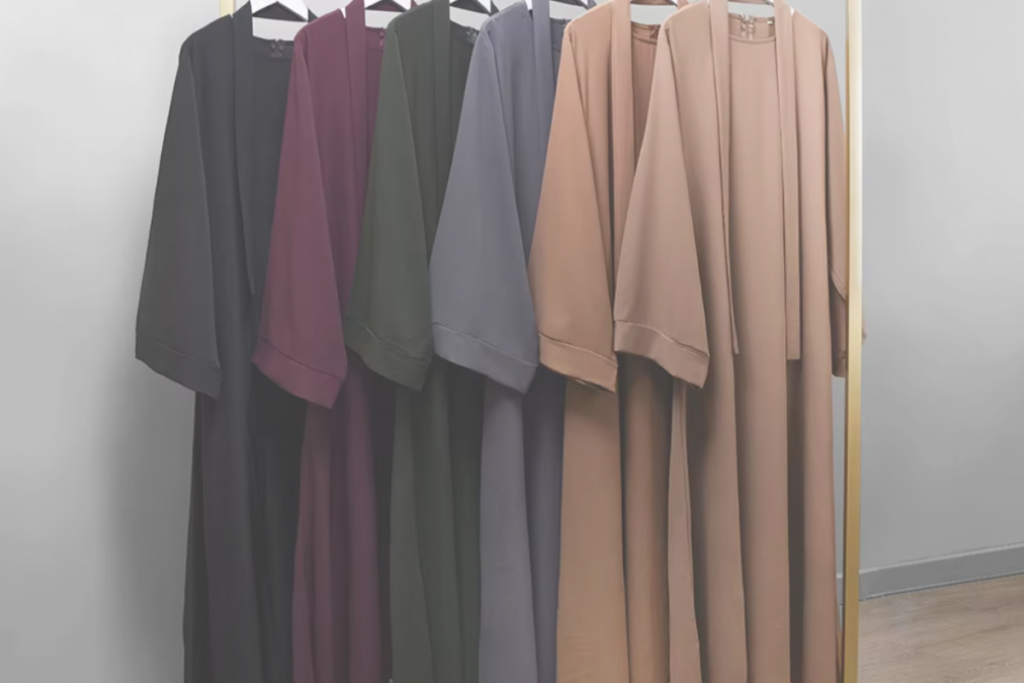
Choose priority products that fit the brand and customer rather than ordering many unrelated styles. Consider whether your opening range needs everyday abayas, occasion pieces, front-open styles or matching sets.
If budget is limited, concentrating quantity into fewer styles and colors can make custom production more workable. A collection total does not establish the quantity available for each individual production run.
3. Confirm the quantity rules in writing
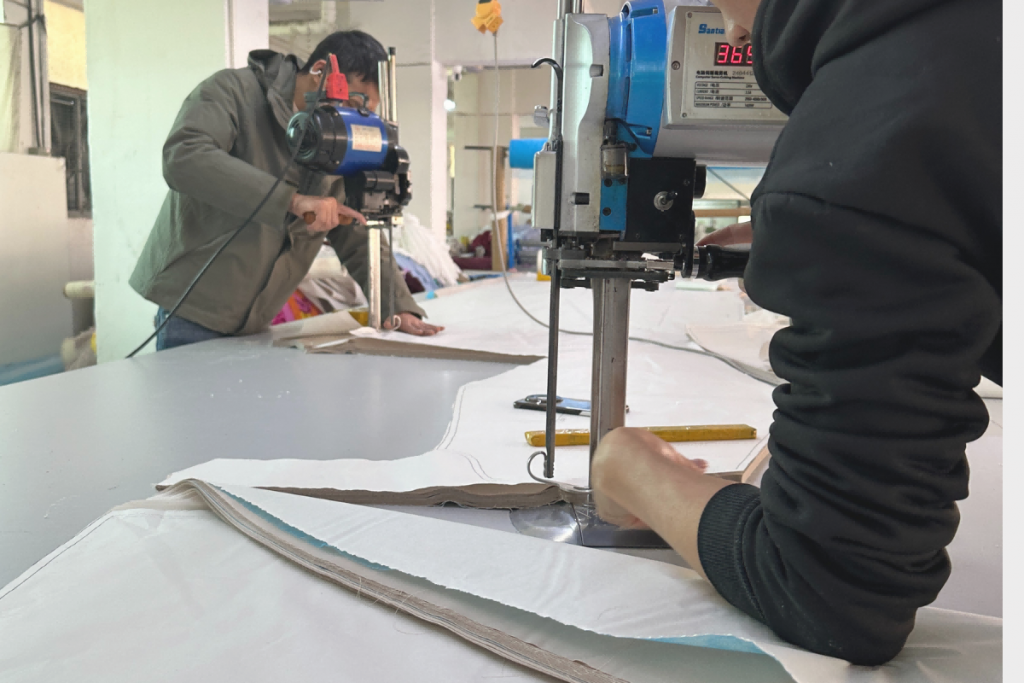
For original custom styles, the standard working MOQ is generally 100 pieces per style and color, with selected startup projects reviewed at 50 pieces per style and color. Twenty or thirty custom pieces per design are not the same production arrangement.
For ready-made products, available stock and any permitted mixed assortment must be checked separately. Do not apply wholesale mixing rules automatically to a custom order. Confirm the size ratio and whether the quote refers to individual garments or complete sets.
Check your proposed breakdown: Email quantities by style, color and size, or send your list on WhatsApp +86 133 9237 1667.
4. Approve the product you will actually receive
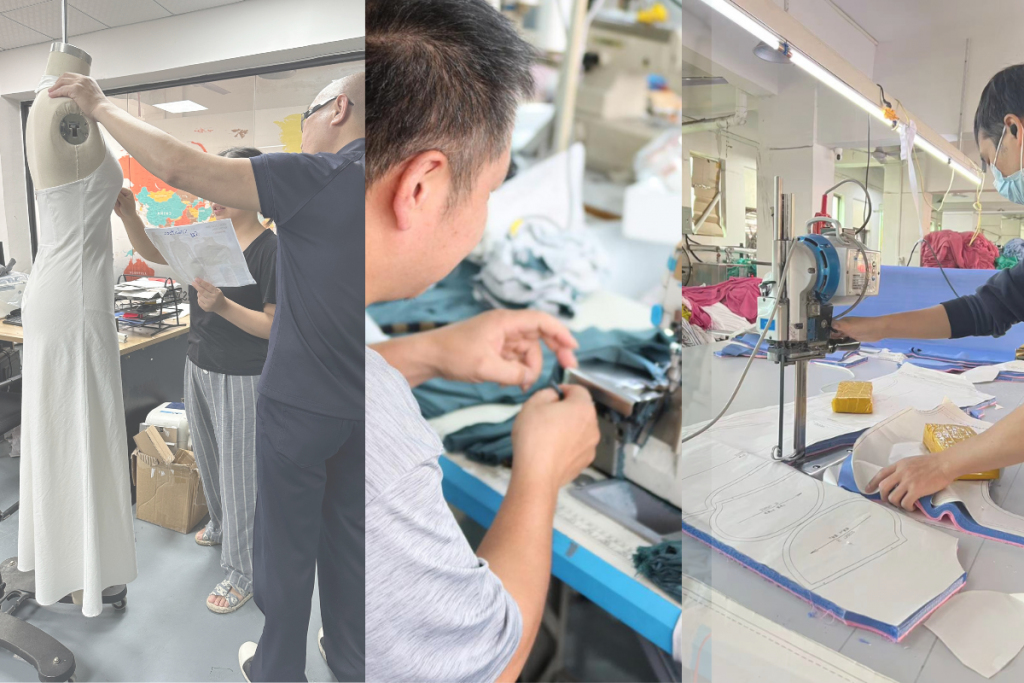
For an existing style, review a sample for fabric, coverage, construction, measurements and finish. For an original design, confirm the development specification and evaluate the sample before bulk approval.
Identify any differences between a display sample and the proposed shipment. If a photo shows decorative details or an underdress, confirm what is included. Material names and attractive product images do not replace a clear item description.
5. Plan labels and packaging early
Provide logo artwork, label dimensions, care-label requirements and preferred packaging. Confirm which labels will be attached, where they will be placed and whether existing labels need handling.
Label or packaging suppliers can have minimums greater than the garment order. Ask how unused materials will be handled and what costs apply. Approve the arrangement before the garments enter finishing and packing.
Review your private-label requirements: Email your artwork and packaging preferences, or contact Tara Garment on WhatsApp +86 133 9237 1667.
6. Compare the complete order budget
List garment cost, sample development, branding, packaging and transport separately. Check currency, payment terms and quotation validity. For freight, distinguish an estimate from a confirmed booking price.
Ask what the delivery proposal includes, particularly customs clearance, duties and taxes. These should be confirmed for the actual destination and shipment rather than inferred from a general shipping description. If you use your own forwarder, coordinate collection and the required packing information.
7. Agree on approvals and the next update
For custom production, confirm the sample, materials, measurements, quantity breakdown and branding before the agreed production stage begins. Discuss the schedule using the actual order rather than a general lead-time statement from the exhibition.
For stock products, reconfirm availability before payment and packing. Ask how final quantities, QC concerns and shipment readiness will be communicated. Keep one current order record and identify the person authorized to approve changes.
Frequently asked questions
Can I mix sizes and colors in my first purchase?
It depends on the buying route. Available-stock assortments and custom production have different rules; request confirmation for your exact list.
Is private labeling the same as creating a custom abaya?
No. Branding an existing garment changes its presentation. Original custom manufacturing also develops the garment itself.
Can I start the process after returning home?
Yes. Send clear style references, quantities and branding needs. Sampling and approval can continue remotely with suitable physical checks.
Plan your opening collection with Tara Garment
Review your first abaya order: Send your selected products or original designs, size and color breakdown, branding requirements and delivery country to [email protected], or WhatsApp +86 133 9237 1667. We will advise which route and next steps suit the proposal.