
Custom Abaya Fabric: How to Choose Opacity, Drape and Comfort
Choosing a custom abaya fabric is about more than selecting a color or a GSM number. For a modestwear brand, the material needs to deliver the intended silhouette, suitable coverage and comfort in the market where the garment will be worn. The best choice depends on the design: a flowing everyday abaya, a structured outer layer and an embellished occasion piece may each need a different fabric.
Match your custom abaya fabric to the silhouette
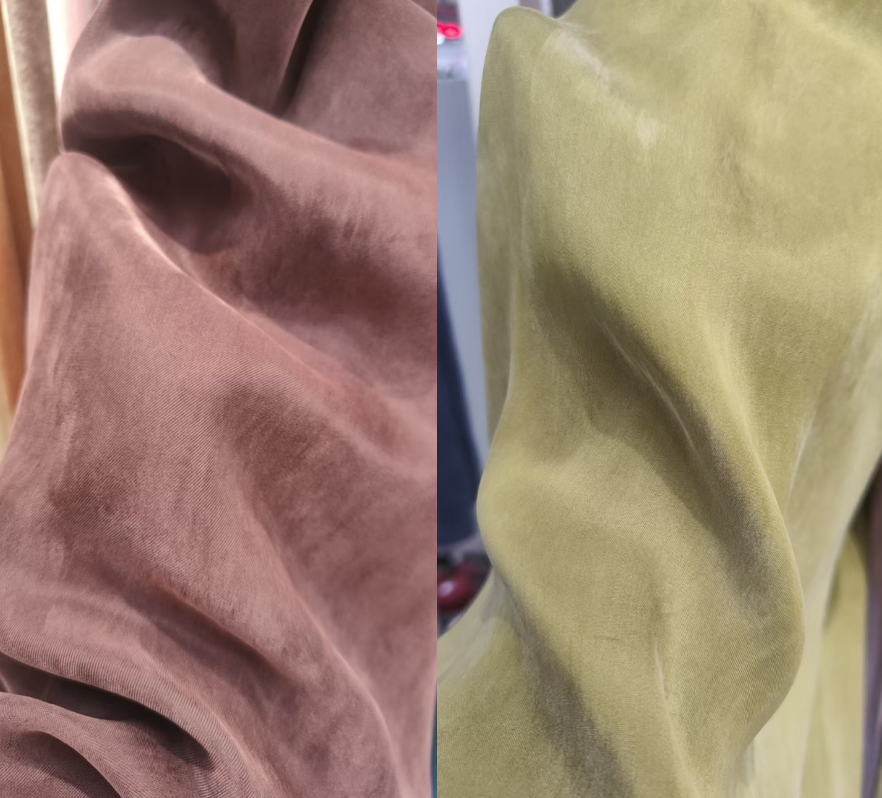
For a soft, flowing abaya, assess how the fabric falls from the shoulder and moves while walking. For a more sculpted design, a fabric with greater body may support the shape, but can feel warmer or less fluid. A fabric that looks right in a flat photograph may behave differently once it is cut into wide sleeves or a full-length skirt.
When sending a reference image to a manufacturer, identify the details that matter most: a clean vertical fall, a defined shoulder, a wide sleeve that holds its shape or a hem that moves freely. This helps the sourcing team narrow the options before buying sample yardage.
CUSTOM ABAYA FABRIC
Check opacity on the actual garment
Light colors and thin fabrics may need a lining or a different construction to achieve sufficient coverage. Test opacity in daylight and under strong indoor light, especially across the body and sleeves. Stretch, folds and the color of garments worn underneath can change the result.
A lining can improve coverage, but it also changes the weight, drape and cost. For a summer abaya, selecting a suitably opaque main fabric may be more comfortable than adding a full lining. For a sheer overlay or occasion style, a separate lining may be part of the intended design.
Use GSM as one specification, not the whole decision
GSM describes fabric weight per square meter. It does not, by itself, tell you whether a fabric is opaque, breathable, soft or suitable for a specific abaya. Fiber content, weave or knit structure, finish and color also affect the final result. Two fabrics with similar GSM can look and feel quite different.
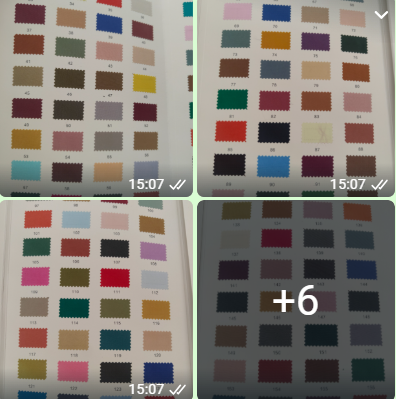
Ask for the fabric composition, approximate GSM, usable width, available colors and a physical swatch where possible. Then test the proposed fabric in the sample garment rather than approving it only from a video.
Fabric width matters for abayas with wide sleeves and generous skirts. A narrow width may require additional seams or more fabric per garment. If a preferred color is unavailable in stock, custom dyeing may involve a supplier minimum and longer timing. Confirm these points before setting a target production price.
For sampling, compare the swatch in daylight and indoor light. Handle it after washing according to the proposed care instructions. Ask whether a shrinkage or colorfastness test is appropriate for the fabric and intended market. These checks are especially useful when a brand plans to reorder the same custom abaya fabric.
Match details to the fabric
Embroidery, beads, trims and magnetic closures add weight or local stress to a garment. Delicate materials may require reinforcement or a different attachment method. A dramatic sleeve or irregular hem can also increase fabric consumption and affect how the finished piece hangs. These decisions are best checked during sample development.
What to send before fabric sourcing
Share your sketches or reference images, target color, desired opacity, preferred fiber content, target market, size range and intended retail position. If a particular texture or movement is essential, say so. A short video of the effect you want can be more useful than a fabric name alone.
At Tara Garment, we evaluate fabric options against the design and make a sample to confirm the result. If you are developing a private-label abaya collection, send us your first design and your priority fabric requirements so we can review the practical options with you.
Frequently asked questions
Is a heavier abaya fabric always more opaque?
No. Weight matters, but fabric construction, color and stretch also affect opacity. Check a swatch and the finished sample under realistic lighting.
Can I use the same fabric for every abaya style?
Sometimes, but an everyday flowing style and a structured or embellished style may require different materials. The sample will show whether one fabric supports each silhouette.
Can an abaya be both breathable and fully opaque?
It is possible to balance comfort and coverage, but the result depends on the fabric, color and construction. A physical sample is the most reliable way to assess that balance.