
Fabric for Premium Womenswear: How to Choose the Right Fabric for Your Modest clothing Brand
Choosing the right fabric for premium womenswear is one of the most important decisions in custom clothing development. Fabric affects the final look, comfort, structure, opacity, production stability, MOQ, and cost of your garment.
The same design can look completely different when made with different fabrics. A dress may look elegant and flowy in chiffon, but stiff and heavy in the wrong crepe. A modest wear piece may look beautiful in photos, but if the fabric is too transparent, too noisy, or too heavy, it may not meet the customer’s expectations.
At Taragarment, we often help brands choose fabric for premium womenswear, modest clothing, abayas, dresses, lounge sets, and fitted pieces. Based on our experience, fabric selection should always consider appearance, comfort, structure, opacity, production stability, and cost.
What Makes a Fabric Suitable for Premium Womenswear?
Not every beautiful fabric is suitable for premium womenswear. A good fabric for premium womenswear should match the design, target customer, wearing occasion, and brand positioning.
For example, a luxury casual brand may need soft, breathable, skin-friendly fabrics. A tailored womenswear brand may need structured fabrics with good shape retention. A modest clothing brand may care more about opacity, drape, coverage, and comfort.
When choosing fabric, brands should consider:
- Does the fabric match the design silhouette?
- Does it feel comfortable on the skin?
- Is it opaque enough for the target market?
- Can it hold the shape of the garment?
- Is it stable for bulk production?
- Does the cost match the brand’s price range?
This is why fabric selection should happen before final pricing and sampling. Without confirmed fabric, it is difficult for a factory to give an accurate production cost.
1. Why Fabric for Premium Womenswear Determines the Final Look
Many brands start with a reference image and expect the sample to look exactly the same.
However, the final effect depends heavily on the fabric.
Fabric affects:
- Drape
- Weight
- Softness
- Transparency
- Stretch
- Structure
- Wrinkle level
- Color performance
- Sewing difficulty
- Bulk production stability
For example, a soft chiffon creates a light and flowy feeling, while a structured woven fabric gives a cleaner tailored shape.
If the design requires movement, softness, or layering, a heavy fabric may not be suitable.
If the design needs a sharp silhouette, a fabric that is too soft may not hold the shape.
2. Fabric for Premium Loungewear
For premium loungewear, comfort is usually the first priority.
Brands often look for fabrics that feel:
- Soft
- Breathable
- Smooth
- Skin-friendly
- Slightly stretchy
- Durable after washing
- Premium but not too delicate
Common options include:
- Cotton blends
- Modal blends
- Viscose blends
- Rib knit
- Jersey
- French terry
- Ponte knit
- Soft stretch woven fabrics
For luxury loungewear, fabric should not only look good in photos. It should also feel comfortable when worn directly on the skin.
If embroidery is used on T-shirts or children’s tops, it is important to consider comfort because the back side of embroidery may feel rough against the skin. Embroidery is often more suitable for jackets, outerwear, or thicker garments.
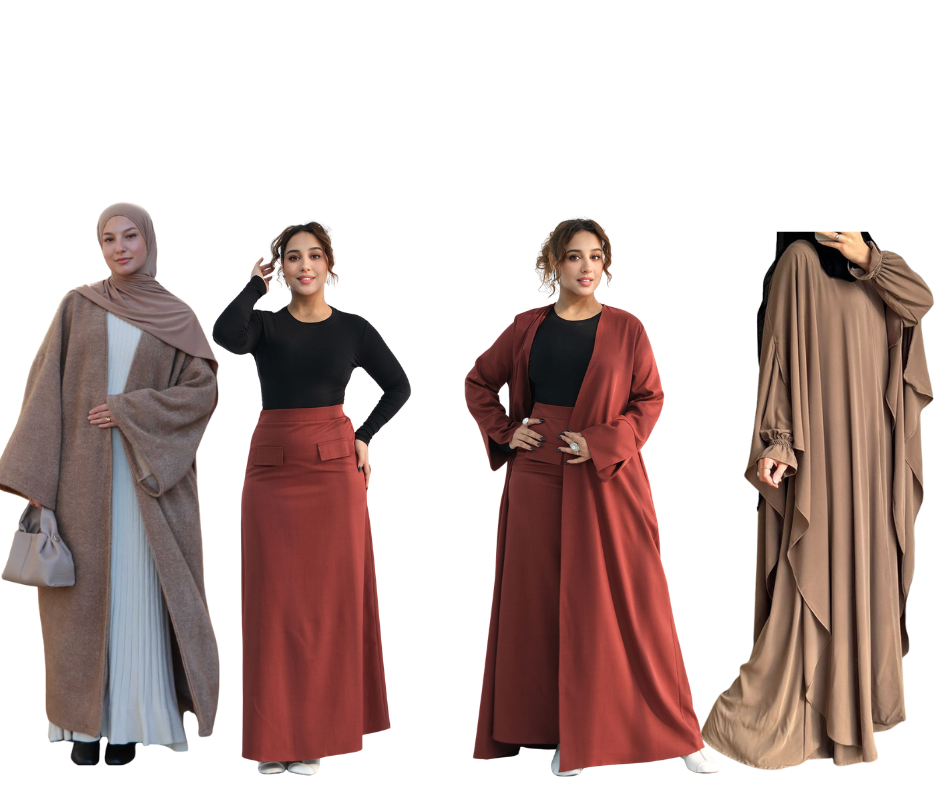
3. Fabric for Modest Wear and Abayas
For modest clothing, fabric selection is especially important.
Many modest wear clients care about:
- Opacity
- Drape
- Coverage
- Breathability
- Matte surface
- Soft movement
- Comfortable sleeve width
- Non-see-through effect
- Elegant appearance
Common fabric options include:
- Nida
- Crepe
- Georgette
- Chiffon
- Viscose blends
- Polyester blends
- Soft satin-like fabrics
- Lightweight woven fabrics
For abayas, some clients prefer heavy, matte, opaque fabric with elegant drape. However, fabric that is too heavy may affect comfort, shipping weight, and movement.
If the design includes long veils, attached hijab details, wide sleeves, or layered panels, fabric consumption may be much higher than expected.
This is why fabric width, garment length, sleeve shape, and panel design should all be reviewed before final pricing.
Need help reviewing your fabric direction?
If you are developing premium womenswear, modest clothing, abayas, dresses, or loungewear, you can send us your design references. Our team will help check whether the fabric direction matches the garment structure, opacity, comfort, and production requirements.
4. Fabric for Dresses and Fitted Pieces
For fitted dresses and structured womenswear, fabric needs to support the body shape while still allowing comfort.
Depending on the style, suitable fabrics may include:
- Stretch woven fabric
- Ponte knit
- Suiting fabric
- Crepe with stretch
- Cotton jacquard
- Textured woven fabric
- Viscose blend fabric
For fitted pieces, stretch and recovery are important. If the fabric stretches but does not recover well, the garment may lose shape after wearing.
For tailored pieces such as blazers, trousers, and vests, the fabric must have enough structure. Lining, interfacing, shoulder shape, and pressing also affect the final look.
5. Fabric for Lightweight Sleeves and Layering
Some designs need coverage but still require a light and flowy look.
For example, if a sleeve should not be transparent but also should not feel heavy, a double-layer chiffon construction may be used.
This can help improve coverage while keeping the sleeve soft and light.
However, double-layer construction also affects:
- Sewing difficulty
- Fabric consumption
- Sleeve movement
- Cuff finishing
- Pattern adjustment
- Cost
For cuffs, details such as hidden elastic, self-fabric bands, and ruffle finishing should be confirmed before sampling so the pattern maker can plan the structure correctly.
6. Why Fabric Cost Can Change Pricing
For custom clothing, pricing cannot be accurately confirmed without fabric details.
Fabric cost depends on:
- Composition
- Weight
- Width
- Color
- MOQ
- Dyeing method
- Printing method
- Shrinkage
- Special finishing
- Supplier availability
For example, linen and linen blends usually cost more than basic polyester fabrics. Pre-washing may also increase fabric consumption and lead time.
For printed fabrics, digital printing, screen printing, and placement printing have different costs and production requirements.
For garment wash, such as enzyme wash on denim, the cost and MOQ may be higher because the washing process needs testing and batch stability.
7. Why Sample Fabric and Bulk Fabric May Look Slightly Different
A common question from brand clients is why the sample and bulk fabric may have slight differences.
Possible reasons include:
- Different dye lots
- Small sample yardage vs. bulk fabric production
- Printing process differences
- Fabric finishing differences
- Washing or softening process
- Supplier stock changes
- Natural fiber variation
For this reason, we often recommend making a pre-production sample using bulk fabric before mass production, especially for premium or color-sensitive garments.
8. How Taragarment Helps with Fabric Sourcing
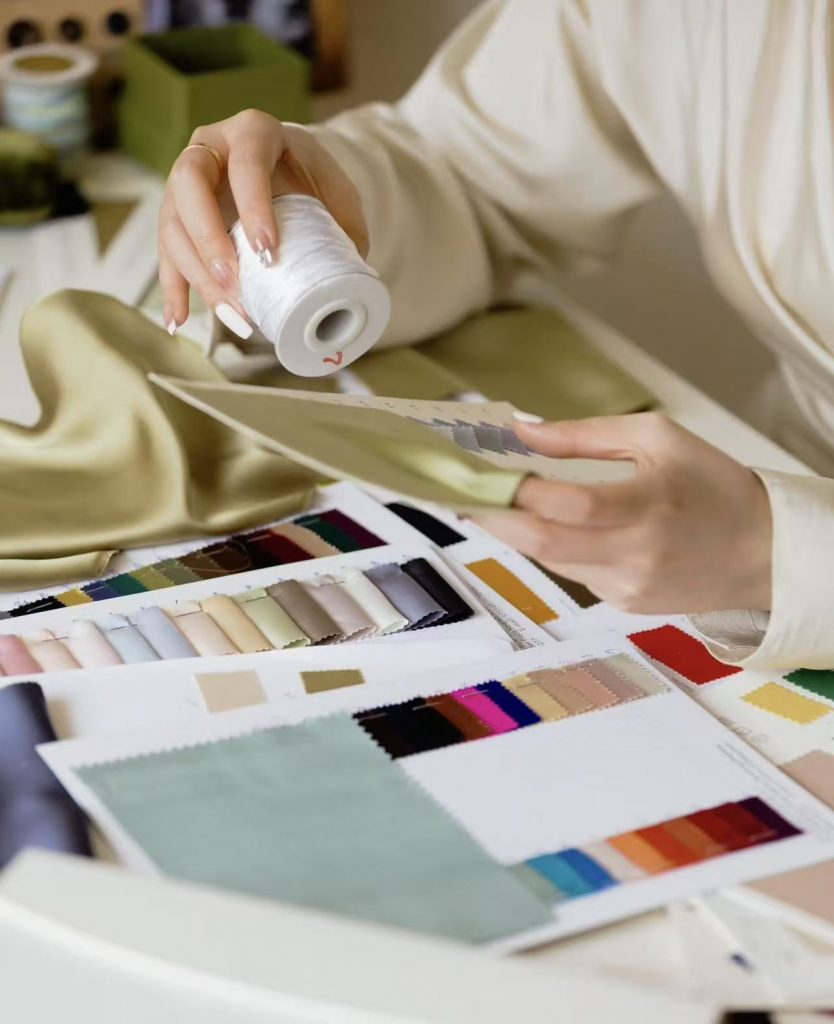
At Taragarment, clients can share their fabric requirements, such as:
- Composition
- GSM
- Color
- Stretch level
- Opacity
- Handfeel
- Target price
- Reference images
- Sustainability preferences
If the client does not know the exact fabric, they can describe the desired effect. Our team will help source similar fabric options and provide recommendations based on the garment style.
We are located near major fabric markets, which helps us support fabric sourcing for custom womenswear and modest clothing projects.
FAQ
What is the best fabric for premium womenswear?
The best fabric for premium womenswear depends on the design. Common options include cotton blends, viscose blends, linen blends, crepe, georgette, chiffon, suiting fabric, stretch woven fabric, jersey, and rib fabric.
How do I choose fabric for premium womenswear?
When choosing fabric for premium womenswear, brands should consider drape, weight, softness, opacity, stretch, structure, comfort, production stability, MOQ, and cost.
What fabric is suitable for modest clothing?
For modest clothing and abayas, many brands choose Nida, crepe, georgette, chiffon, viscose blends, and soft woven fabrics. The best choice depends on opacity, drape, coverage, and garment structure.
Can Taragarment help with fabric sourcing?
Yes. Taragarment can help source fabric based on your reference images, target handfeel, composition, GSM, color, opacity, and price range.
Why can’t the factory quote the final price before fabric is confirmed?
Because fabric composition, width, weight, MOQ, finishing, dyeing, and printing method directly affect garment cost. Final pricing usually requires confirmed fabric and sample details.
Start Your Collection Today
Choosing the right fabric for premium womenswear is not only a design decision. It affects garment quality, comfort, fit, production cost, MOQ, and customer satisfaction.
For premium womenswear and modest clothing, brands should consider not only how the fabric looks, but also how it feels, moves, covers the body, and performs in bulk production.
At Taragarment, we support fashion brands with fabric sourcing, sample development, OEM/ODM production, and private label customization.
Need help choosing fabric for premium womenswear or modest clothing?
Send us your design references and fabric ideas. Our team can help recommend suitable options for your custom clothing project.