
OEM Clothing Sample Process: What Information Does a Factory Need Before Sampling?
The OEM clothing sample process is one of the most important steps before custom clothing production. A good sample helps a fashion brand confirm fit, fabric, workmanship, construction details, and overall quality before moving into bulk production.
However, many delays happen when the factory receives incomplete information or when key design details keep changing during the sampling process.
At Taragarment, we work with startup and growing fashion brands that need custom womenswear, modest wear, loungewear, and private label clothing development. Based on our experience, preparing the right information before sampling can save time, reduce mistakes, and help the pattern maker understand your design more accurately.
Why the OEM Clothing Sample Process Matters
The OEM clothing sample process is not only about making one sample garment. It is the stage where the factory reviews your design, checks fabric suitability, studies the garment structure, creates the pattern, arranges sewing, and tests whether the style can be produced smoothly in bulk.
For fashion brands, this process helps confirm:
- Whether the design is practical for production
- Whether the fabric can achieve the expected look
- Whether the fit and proportions are correct
- Whether the sewing construction is stable
- Whether any details need to be adjusted before bulk production
This is especially important for custom clothing styles such as tailored blazers, fitted dresses, modest wear, abayas, lounge sets, and structured womenswear.
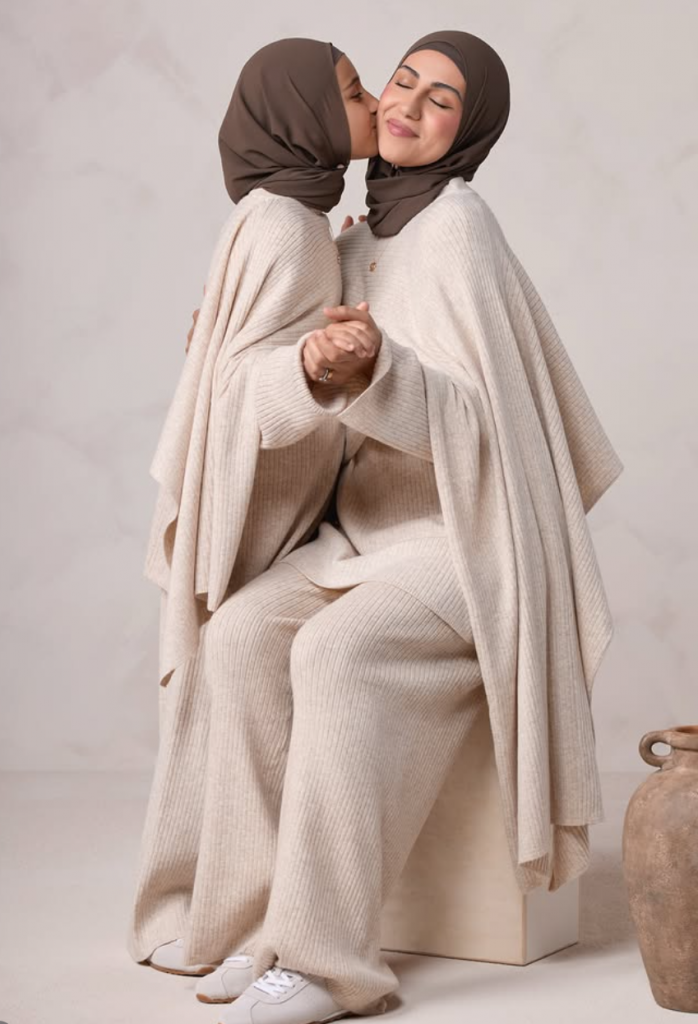
1. Clear Design References for the OEM Clothing Sample Process
The first thing a factory needs is a clear understanding of the garment style.
You can provide:
- Front view reference
- Back view reference
- Side view reference
- Close-up images of details
- Similar styles showing fit or construction
- Marked-up images with notes
If your design is inspired by several different references, please clearly explain which part comes from which image.
For example:
- Image A: neckline
- Image B: sleeve shape
- Image C: skirt length
- Image D: fabric feeling
This helps avoid confusion when the pattern maker starts the development.
2. Fit Direction and Target Customer
Fit is not only about measurements. It is also about the customer group and wearing scenario.
Before sampling, it is helpful to explain:
- Is the garment fitted, loose, oversized, or relaxed?
- Is it for petite, regular, tall, curve, or plus-size customers?
- Should the garment feel structured or soft?
- Is it for daily wear, occasion wear, modest wear, loungewear, or office wear?
- Should it allow pregnancy, postpartum, or body changes?
For example, a tall womenswear brand may need longer inseams, adjusted waist position, deeper rise, longer sleeve length, and better proportion balance.
A modest wear brand may care more about coverage, opacity, drape, sleeve width, and movement comfort.
3. Key Measurements Before Making a Clothing Sample
A complete size chart is ideal, but if you do not have one at the beginning, you can first provide key measurements.
Important measurements may include:
- Bust
- Waist
- Hip
- Shoulder width
- Sleeve length
- Garment length
- Inseam
- Rise
- Armhole
- Neck opening
- Hem width
For fitted styles, measurements need to be more accurate.
For pull-over garments, the neck opening and bust width must be checked carefully to make sure the garment can be worn comfortably.
For long dresses, abayas, or tall womenswear, total garment length is especially important.
4. Fabric Direction for Custom Sample Development
Fabric has a major impact on the final sample.
Before sampling, the factory needs to know your preferred fabric direction, such as:
- Cotton
- Linen
- Viscose
- Chiffon
- Georgette
- Crepe
- Jersey
- Rib
- Nida
- Suiting fabric
- Stretch woven fabric
It is also useful to describe the fabric feeling:
- Soft
- Matte
- Breathable
- Drapey
- Structured
- Lightweight
- Opaque
- Stretchy
- Premium
- Not shiny
- Not stiff
If you are not sure about the exact fabric composition, you can send reference garments or describe the effect you want. The factory can then recommend suitable fabric options.
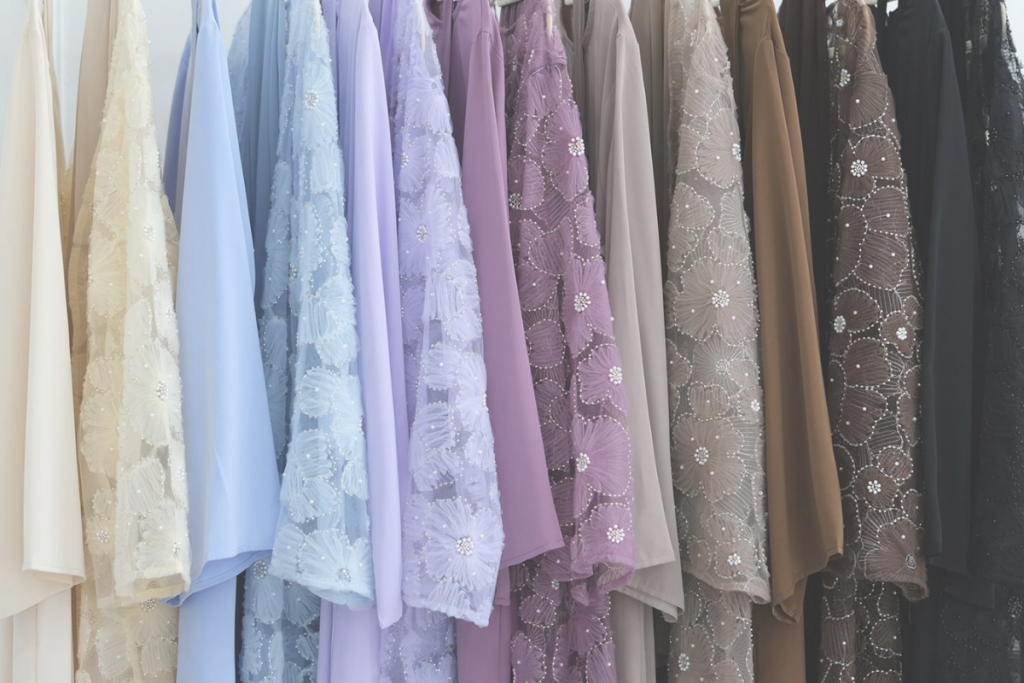
5.Construction Details the Factory Needs to Know
Construction details should be confirmed as early as possible.
This includes:
- Lining or no lining
- Double-layer construction
- Zipper, buttons, loops, or pull-over opening
- Elastic position
- Cuff shape
- Collar structure
- Hem finishing
- Pocket details
- Pleats, gathers, darts, or seams
- Lace, embroidery, hardware, or trims
For example, if a sleeve needs double-layer chiffon instead of heavy viscose lining, this should be confirmed before the pattern is arranged.
If the cuff needs hidden elastic with a self-fabric band and soft ruffle below, this detail should also be clearly explained before sampling begins.
Once the pattern maker has already started the pattern, changing major construction details may require reworking the pattern and can increase both time and cost.
6. Color and Print Requirements
For solid colors, the brand can provide:
- Pantone color number
- Fabric swatch
- Reference photo
- Existing garment sample
For prints, the factory needs:
- Print artwork file
- Print size
- Print placement
- Repeat pattern direction
- Color requirements
- Printing method if specified
Placement print is more difficult than all-over print because it requires more accurate positioning and often creates more fabric waste.
For startup brands, all-over print is usually easier to manage than complicated placement print.
7. Branding and Packaging Details
If you want your brand identity on the garment, please confirm:
- Main label size and position
- Size label
- Care label content
- Hangtag design
- Polybag requirements
- Barcode or SKU sticker
- Packaging method
These details can be prepared during the sampling stage or before bulk production, depending on your timeline.
8. Why Details Should Be Confirmed Before Sampling Starts
Once the factory starts the sample process, the information is usually organized and submitted to the pattern maker.
The pattern maker will first study the style, think about the structure, and then arrange the pattern.
If new details are added repeatedly in the middle of the process, some work may need to be restarted. It can also make the key requirements confusing and increase the risk of mistakes.
That is why we always suggest clients provide complete information before sampling begins.
Clear information does not mean the first sample must be perfect. Adjustments are normal after fitting. But the main direction should be clear before the sample is made.
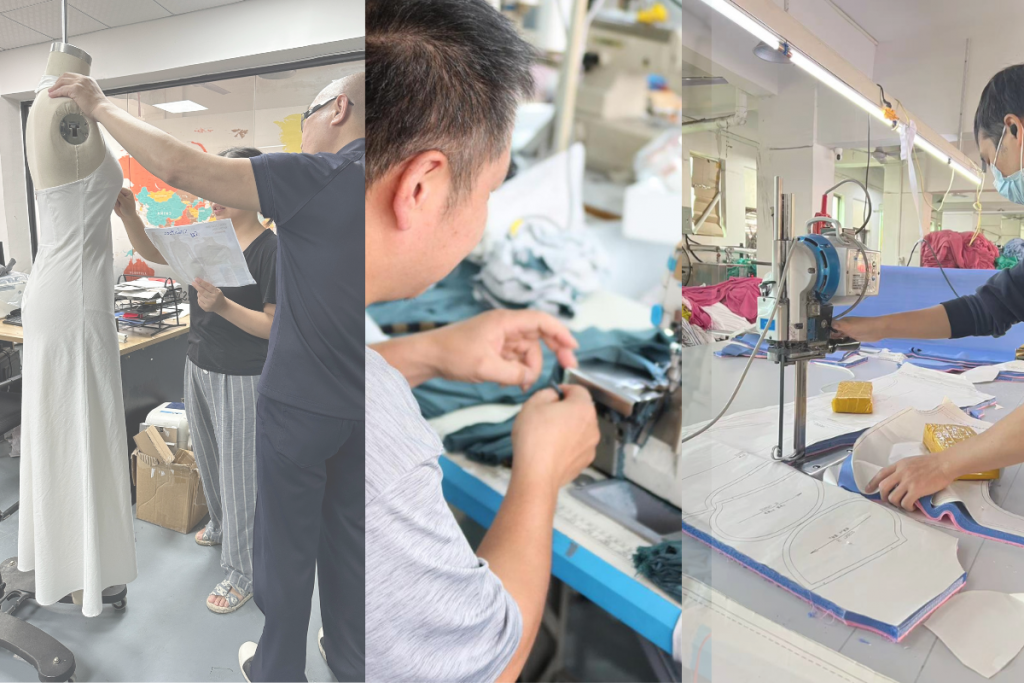
9.How Taragarment Supports the OEM Clothing Sample Process
At Taragarment, we support brands through the full OEM clothing sample process, from reviewing design references to fabric sourcing, pattern making, sample sewing, fitting adjustments, and preparation for bulk production.
You can start with a full tech pack, or you can send sketches, reference photos, measurements, and detailed notes. Our team will review your style and suggest the best next step based on fabric, construction, MOQ, and production feasibility.
For startup brands, we usually recommend starting with a small number of styles first. This allows you to test fabric quality, fit, workmanship, and market response before placing a larger order.
FAQ
What is the OEM clothing sample process?
The OEM clothing sample process includes design review, fabric sourcing, pattern making, sample sewing, fitting review, and final sample confirmation before bulk production.
Do I need a tech pack before starting a sample?
A tech pack is helpful, but it is not always required. You can also provide clear reference images, measurements, fabric direction, and construction notes.
How long does the clothing sample process take?
Most clothing samples take around 7–14 days, depending on fabric availability, design complexity, and special workmanship requirements.
Can I change details during sampling?
Small adjustments are normal, but major changes after pattern making has started may require extra time or additional sample cost.
Can Taragarment help with fabric sourcing?
Yes. You can share your target fabric feeling, composition, GSM, color, or reference photos. We can help source suitable fabric options for your sample.
Conclusion
The OEM clothing sample process is the foundation of successful custom clothing production. Before sampling starts, fashion brands should prepare clear design references, fit direction, measurements, fabric ideas, construction details, color requirements, and branding information.
The clearer the information, the easier it is for the factory to make a sample that matches your expectations and prepares smoothly for bulk production.
At Taragarment, we help fashion brands develop custom womenswear, modest wear, loungewear, and private label clothing from sample to bulk production.
Ready to start your OEM clothing sample process?
Send us your design references and requirements. Our team will review your style and suggest the next step.