
Why Fabric and Construction Matter in Modest Clothing Manufacturing
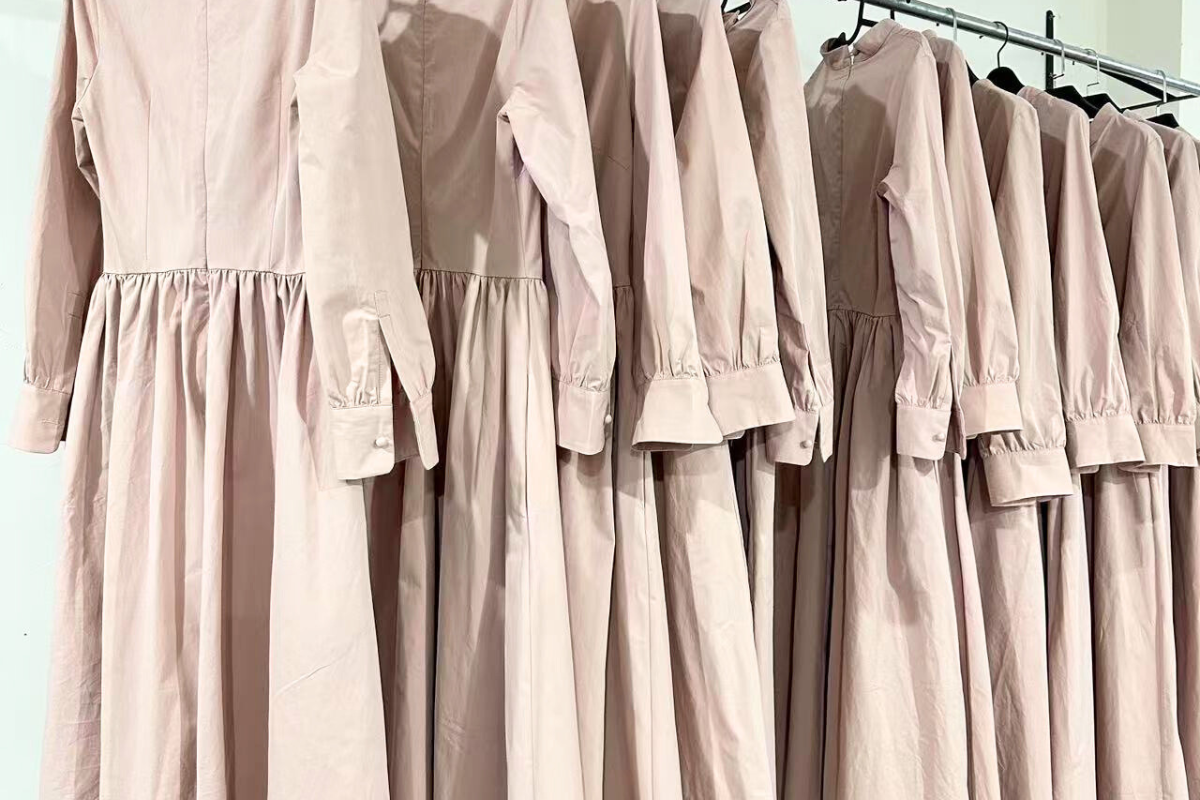
Modest clothing manufacturing depends on much more than design alone. Fabric selection and garment construction play a major role in how a modest garment looks, feels, and performs in real wear.
For brands developing modest fashion products, understanding modest clothing manufacturing helps improve comfort, coverage, production consistency, and overall product quality.
Good modest clothing manufacturing starts with choosing the right fabric for the design.
In modest clothing manufacturing, construction details often determine whether a garment truly works in movement.
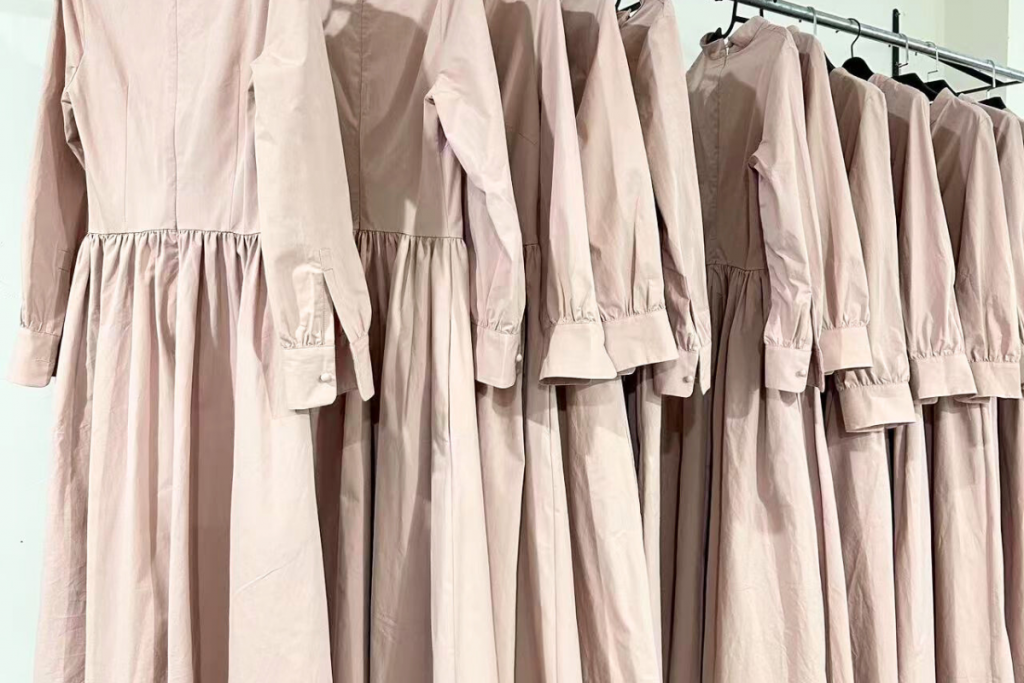
Experienced factories understand that modest clothing manufacturing is closely connected to comfort, coverage, and quality control.
If you need support with fabric selection, construction review, or small-batch modest clothing manufacturing, TaraGarment is here to help. Explore our services or contact our team to discuss your collection.
That is why fabric selection and garment construction deserve much more attention during the development stage.
low MOQ clothing manufacturer China
Fabric affects more than just appearance
Many people first think about color or texture when choosing fabric. But in modest clothing, fabric also affects how the garment performs.
It influences:
- opacity
- drape
- body coverage
- comfort
- movement
- breathability
- how structured or relaxed the silhouette feels
A fabric that looks good on a swatch card may still become too transparent in light, too clingy on the body, or too heavy for the intended design.
This matters for modest dresses, abayas, and coordinated modest sets because these styles often rely on shape and flow rather than close body fit.
Construction is what makes modest design work in real life
Modest clothing is not simply about adding more coverage. It is about building the garment in a way that supports the intended level of modesty while still looking clean and wearable.
Depending on the style, this may involve:
- adding an inner panel behind an opening
- controlling overlap construction
- balancing fullness without adding bulk
- stabilizing key areas of the garment
- adjusting openings so the piece stays functional in movement
These choices may not be obvious from the outside, but they are often what determine whether a garment truly works once worn.
Some designs need technical adjustment before bulk production
A design can be visually appealing and still require technical changes before it is ready for manufacturing.
For example, a style may need:
- more coverage at a slit or opening
- a different fabric weight
- stronger support inside the garment
- an adjusted neckline or side opening
- simplified construction for better consistency
These kinds of refinements are common and should not be seen as a negative thing. In many cases, they are what help a design move successfully from concept to production.
This is also a good place to link readers to your custom modest clothing manufacturing page or your sample development page, so they can understand how the process works in practice.
Quality starts long before bulk production
Many buyers think quality control happens only at the end of production. In reality, product quality begins much earlier.
A good manufacturing result depends on:
- correct fabric selection
- strong pattern development
- careful sample review
- realistic fit comments
- suitable construction methods
- production-friendly design decisions
For modest fashion, quality also includes checking whether the garment still provides the intended coverage and comfort when worn in everyday life.
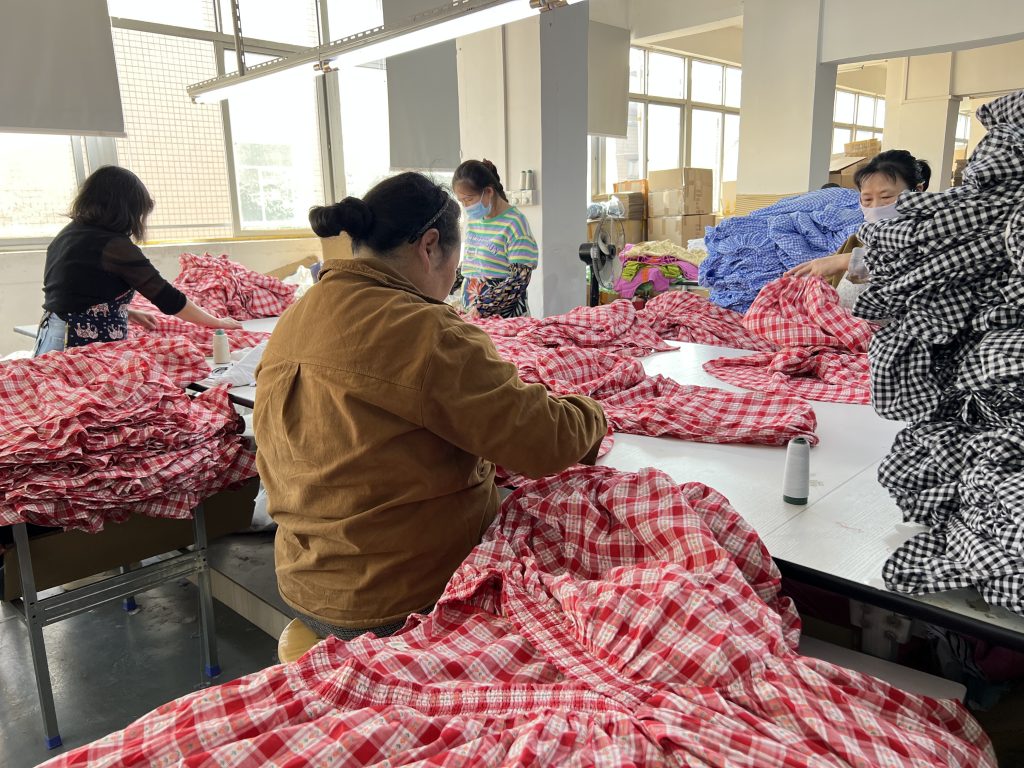
Factory experience makes a difference
A factory experienced in modest clothing manufacturing will usually evaluate a style differently from a general supplier. They are more likely to think about:
- whether the garment stays modest in movement
- whether it needs hidden support
- whether the fabric affects coverage
- whether the style can be repeated consistently in bulk
- where sewing or fit risks may appear
This kind of thinking is especially valuable for growing modest brands that want to reduce delays, improve consistency, and build customer trust.
Final thoughts
Fabric and construction are not secondary details in modest clothing development. They are central to the final success of the garment.
A strong modest product should combine comfort, coverage, movement, and visual balance. When these elements are considered early, brands are much more likely to achieve better samples and smoother production.
Contact taragarment for more
If you are developing modest clothing and want support with fabric selection, construction review, and small-batch production, TaraGarment is here to help.
Learn more about our custom manufacturing services, explore our fabric sourcing support, or contact our team to discuss your next collection.
FAQ
Why is fabric selection so important in modest clothing?
Because fabric affects opacity, drape, comfort, movement, and overall coverage. These are all central to how a modest garment performs in real wear.
Can the same design look very different in different fabrics?
Yes. A change in weight, texture, stiffness, or transparency can significantly change the silhouette and function of the same style.
Why do some designs need to be adjusted before production?
Because not every design detail is easy to reproduce consistently in bulk. Small technical adjustments often help improve fit, quality, and production stability.
Does quality control start only after bulk production begins?
No. Good quality starts earlier, with fabric selection, pattern work, sampling, and construction decisions.
Need help turning your modest fashion ideas into real products?
TaraGarment works with brands on custom development, fabric sourcing, sampling, and production. Get in touch with our team to learn more.