
How to Choose a Low MOQ Modest Clothing Manufacturer in China for Your Brand
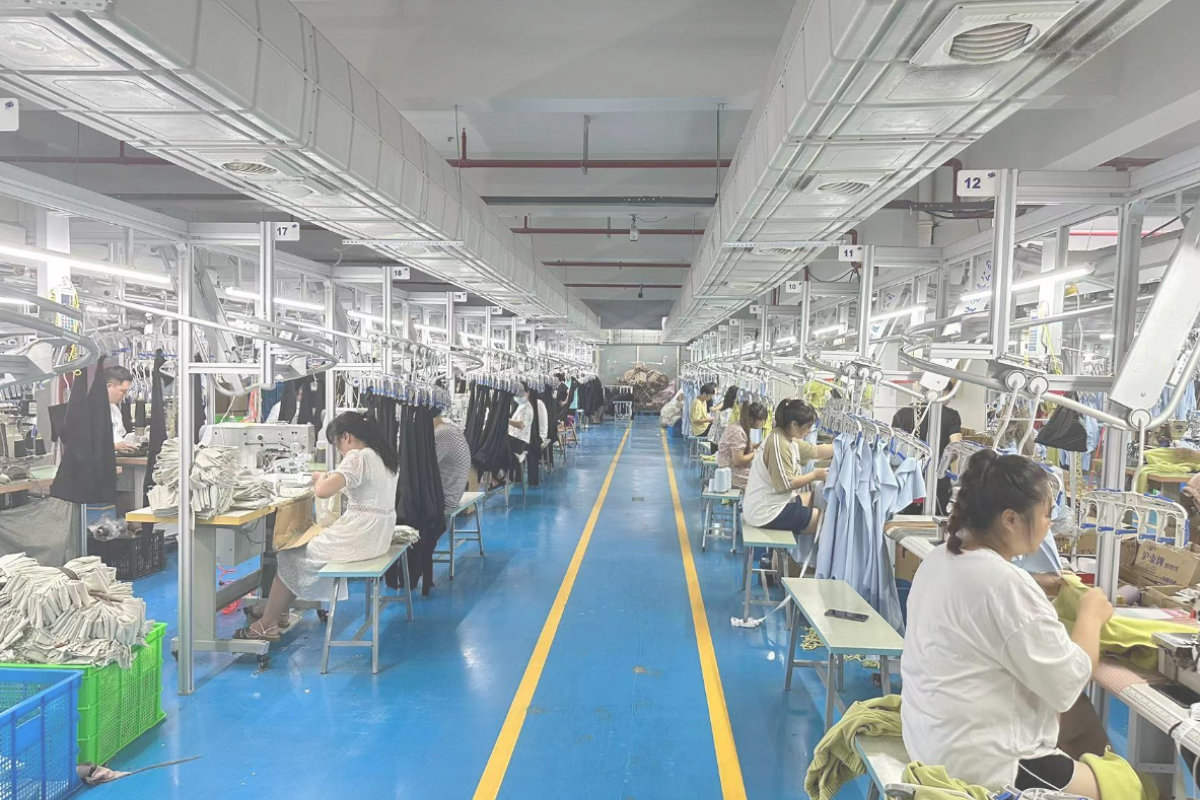
If you are starting or scaling a modest fashion brand, one of the biggest decisions is choosing the right low MOQ modest clothing manufacturer in China.
Many brands do not fail because of design. They struggle because the factory is not a good fit for their stage. Some manufacturers only want large orders. Some can sew basic garments but do not understand modest fashion requirements. Others may offer low prices at first, but communication, sampling, and quality control become problems later.
For modestwear brands, the right supplier should do more than just produce clothes. They should understand coverage, opacity, lining, sleeve length, neckline balance, fit, and fabric behavior. They should also support flexible development, especially if you are testing your first collection.
At Tara Garment, many new inquiries ask the same questions:
- What is your MOQ per style?
- Can I make a sample first?
- Do you support private label?
- Can you help with fabric sourcing?
- How long does sample development take?
- Can the same fabric be used for multiple styles?
- Can I split colors under one order?
These are the right questions to ask before moving into development.
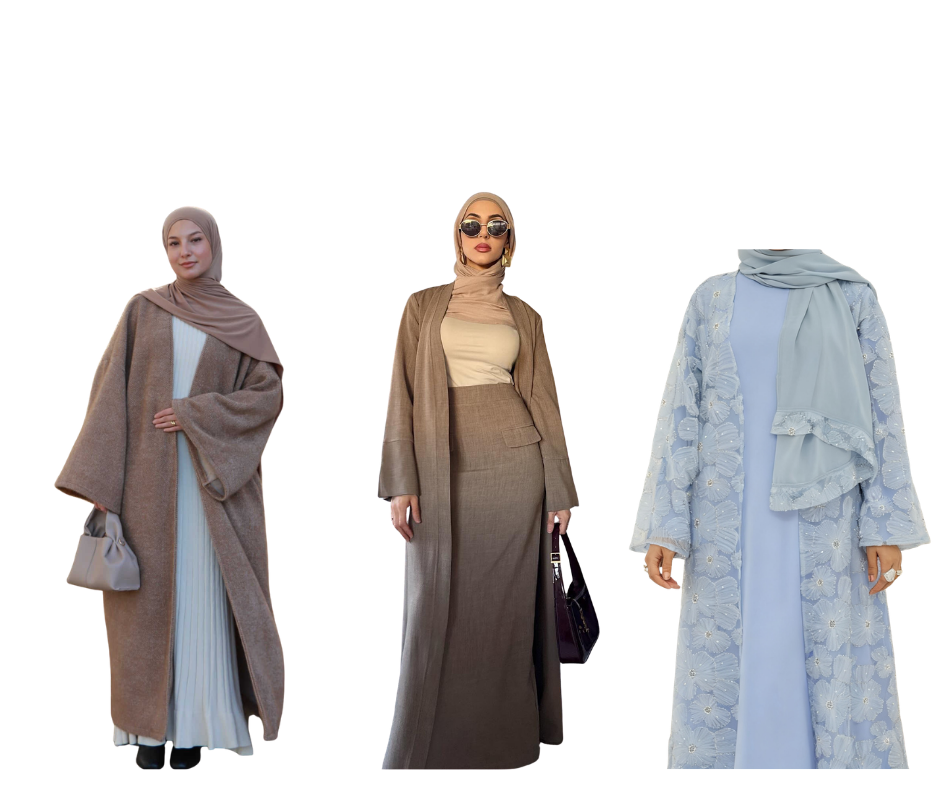
1. Start with MOQ, but do not judge a factory by MOQ alone
A low MOQ sounds attractive, but it should not be the only reason to choose a supplier.
A reliable small batch clothing manufacturer should explain why MOQ exists. In real production, MOQ is affected by fabric ordering, dyeing, trim sourcing, and cutting efficiency. A professional factory should tell you clearly when 100 pieces per style is realistic, when 50–100 pieces may be possible, and when a design needs a higher minimum because of custom fabric or complex workmanship.
If a manufacturer simply says “any quantity is okay,” that is usually not a good sign.
For modest clothing brands, MOQ often needs to be evaluated together with:
- fabric type
- lining requirement
- color options
- print or embroidery process
- size range
- style complexity
2. Ask how they handle samples
Before bulk production, sample development is where most problems appear.
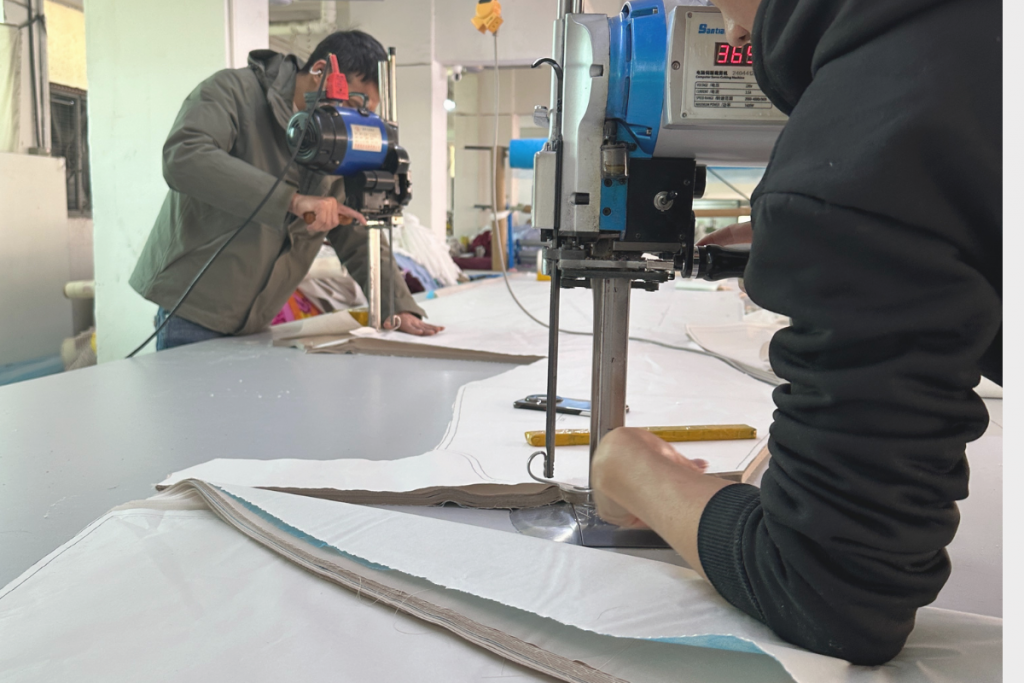
A strong custom clothing manufacturer in China should have a clear process for turning references, sketches, or tech packs into a workable garment. This is especially important for modestwear, where the garment must meet visual design goals and practical wearing needs at the same time.
For example, a modest maxi dress may need:
- enough flow without becoming see-through
- enough structure at the waist without becoming stiff
- enough coverage at the neckline without looking too conservative
- enough sleeve volume without affecting fit or movement
These are not small details. They affect whether the final sample feels commercial.
That is why brands should always ask:
- Do you offer in-house pattern making?
- How long does sample development take?
- How many revisions are realistic?
- Can you recommend suitable fabrics and lining options?
- Will you share progress photos or videos during development?
low MOQ clothing manufacturer in China
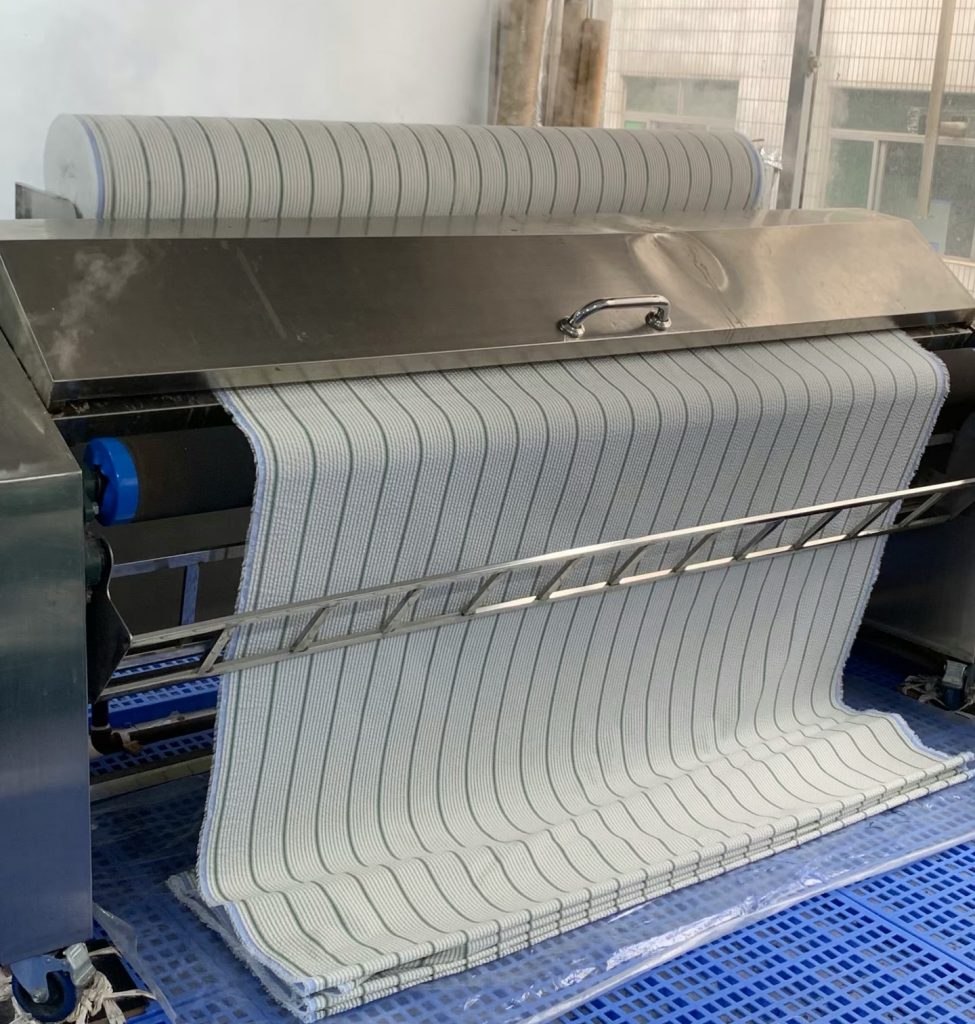
3. Fabric sourcing matters more than most startups expect
Many early-stage brands focus on silhouette first. But in production, fabric often decides whether the design can really work.
This is especially true for modest fashion. A garment may look elegant in a reference image, but if the selected fabric is too thin, too soft, too transparent, or too stiff, the result will be completely different.
A good modest clothing manufacturer should be able to guide you on:
- breathable fabrics for summer modestwear
- non-sheer fabric options
- lining recommendations
- drape vs structure balance
- suitable fabrics for abayas, dresses, two-piece sets, and blouses
- production-friendly alternatives when the original reference fabric is not practical
This guidance saves time, reduces sample mistakes, and makes your brand look more professional from the first launch.
4. Private label support should be practical, not just theoretical
Many factories say they do private label, but the real question is how practical that support is.
For modest fashion brands, private label usually includes:
- neck labels
- size labels
- wash care labels
- hangtags
- branded packaging
- logo placement guidance
- trim and accessory coordination
If you are building a brand identity, your factory should help you think about these details early, not only after the garment is finished.
This is especially useful for startup brands that want a clean launch without managing too many separate suppliers.
low MOQ clothing manufacturer in China
5. Communication style is part of manufacturing quality
A factory can have good sewing ability and still be difficult to work with.
For international brands, communication is part of quality control. A professional supplier should be able to tell you:
- what is confirmed
- what is still flexible
- what may affect price
- what may delay sampling
- what risks should be considered before bulk production
This reduces misunderstanding and helps both sides make better decisions.
In apparel manufacturing, many costly mistakes happen not on the sewing line, but during unclear communication before production starts.
6. Look for a manufacturer that can grow with your brand
The best supplier is not always the cheapest one. It is the one that can support your brand at different stages.
At the beginning, you may need:
- low MOQ
- more sampling support
- help choosing fabrics
- flexible development communication
Later, you may need:
- more stable repeat production
- better planning for multiple styles
- stronger quality consistency
- support for scaling private label collections
A good abaya manufacturer in China or modest dress manufacturer should be able to support both testing and growth.
Conclusion
Choosing a low MOQ modest clothing manufacturer in China is not only about price or quantity. It is about whether the factory understands your product, your market, and your stage of business.
If your brand is developing modest dresses, abayas, or women’s sets, the right production partner should help you balance design, fabric, structure, coverage, and commercial practicality.
At Tara Garment, we support modest fashion brands with small batch production, sample development, private label support, and practical factory communication—so you can launch with more confidence and less production risk.
Planning your first modestwear collection? Share your styles, target quantity, and fabric ideas with Tara Garment. We’ll help you evaluate MOQ, sample development, and the most suitable production path for your brand.